1-to-1 Photography Training: Learn Photography Your Way
Photography can become frustrating very quickly.
You buy a camera capable of producing incredible images, open the menu and suddenly find yourself faced with unfamiliar settings, technical terminology and options you are not sure whether to touch.
ISO.
Aperture.
Shutter speed.
White balance.
Metering.
Autofocus modes.
Flash settings.
RAW files.
Exposure compensation.
For many beginners and developing photographers, the problem isn’t a lack of enthusiasm.
It is knowing what to learn first.
That is where one-to-one photography training can make a significant difference.
Instead of following a generic course designed for a room full of people using different cameras at different ability levels, Ian Phillips Photography offers personalised tuition based around your camera, your experience and what you actually want to photograph.
Whether you are looking for photography lessons in Weston-super-Mare, practical photography tuition elsewhere in Somerset or more advanced guidance covering portraits, flash or editing, one-to-one tuition allows the training to move at your pace.
The objective is simple:
Help you understand photography rather than simply memorise settings.
Why One-to-One Photography Training Can Be Better Than a Generic Course
Group photography courses can be useful.
But they inevitably have to follow a syllabus designed for several people at once.
One person may already understand aperture while somebody else has never moved their camera away from automatic mode.
Another may want to learn portraits while somebody else is interested entirely in landscapes.
The instructor has to divide attention across the group.
One-to-one photography tuition works differently.
The session can concentrate completely on you.
If you understand something quickly, you move on.
If a particular setting is confusing, you spend more time on it.
If you don’t need to learn something, there is no reason to spend half an hour covering it simply because it appears next on a course outline.
That flexibility can make learning photography considerably more efficient.
Photography Tuition Built Around Your Camera
One of the biggest challenges with learning photography online is that camera systems differ.
A tutorial may tell you to change a particular setting, but your camera manufacturer may call that setting something completely different.
Even cameras from the same manufacturer can use different menus and button layouts.
With one-to-one photography training, you can learn using the camera you actually own.
That might be:
- A DSLR
- A mirrorless camera
- A bridge camera
- A recently purchased beginner camera
- A more advanced camera you are struggling to configure
Rather than learning photography in the abstract, you can understand how the principles apply directly to your equipment.
That means when you leave the session, the controls and techniques should still make sense when you next pick up your camera.
Photography Lessons for Complete Beginners
You do not need to understand photography before booking a lesson.
In fact, complete beginners can benefit enormously from having the fundamentals explained correctly from the beginning.
If your camera remains permanently set to Auto, you are not alone.
Modern automatic modes can produce excellent photographs, but they also make most creative decisions on your behalf.
Learning how the camera works gives you control over those decisions.
Beginner tuition might include:
- Understanding camera controls
- Moving beyond Auto mode
- Aperture
- Shutter speed
- ISO
- Autofocus
- Exposure compensation
- Composition
- Lens choice
- RAW versus JPEG
- Basic camera setup
The aim isn’t to overwhelm you with terminology.
It is to help each setting make sense.
Understanding Aperture, Shutter Speed and ISO
Almost every photography course eventually arrives at the exposure triangle.
The concept is straightforward once properly explained.
Aperture
Aperture controls how much light passes through the lens.
It also influences depth of field.
A wider aperture can help create a blurred background behind a portrait.
A smaller aperture can keep more of a landscape in focus.
The important part isn’t memorising numbers.
It is understanding what changing the aperture does to the photograph.
Shutter Speed
Shutter speed controls how long the camera records light.
A fast shutter speed can freeze movement.
A slower shutter speed can intentionally create motion blur.
That means shutter speed becomes a creative tool.
Do you want to freeze a bird in flight?
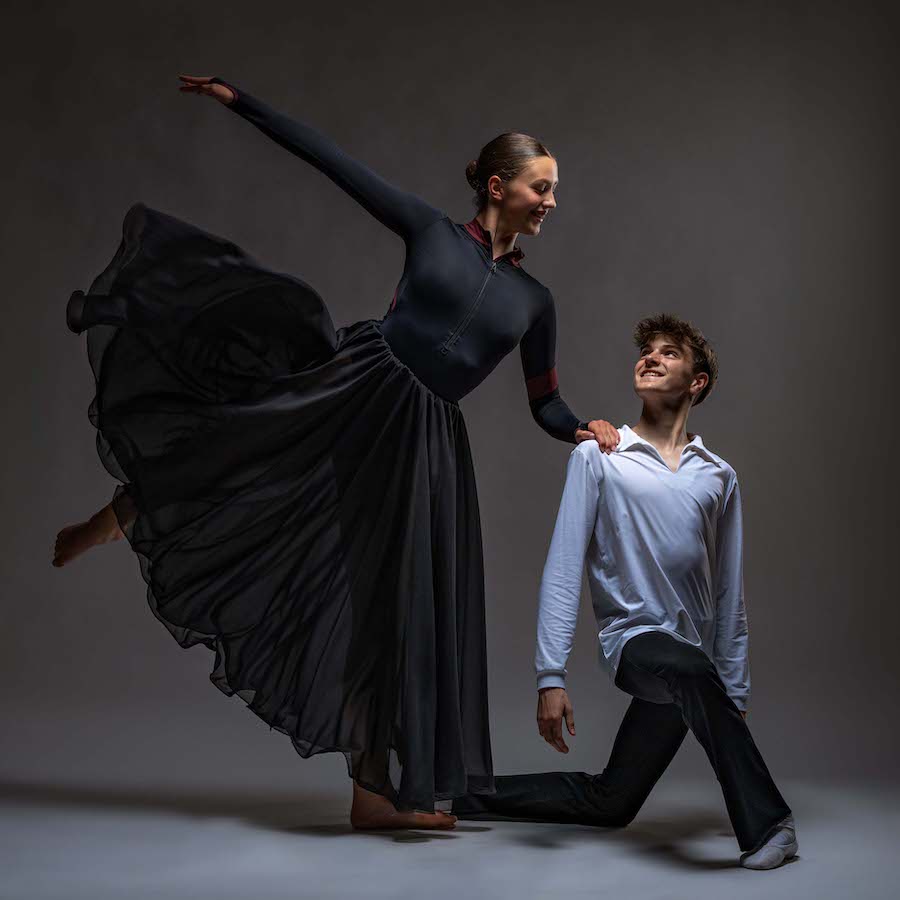
Photograph a dancer in mid-air?
Blur moving water?
Create light trails from traffic?
The shutter speed you choose can completely alter the result.
ISO
ISO affects how your camera responds to the available light.
Higher ISO values can help when light levels are low, but they can also increase visible noise in the photograph.
Understanding ISO allows you to make sensible compromises rather than simply allowing the camera to choose automatically.
When aperture, shutter speed and ISO start working together in your head, photography becomes considerably easier.
Learning Manual Camera Settings Without Making Photography Complicated
Many photographers believe they have not become “proper photographers” until they use Manual mode for everything.
That isn’t necessarily true.
Professional photographers use different modes for different situations.
The important thing is understanding why the camera is making a decision and when you should override it.
Ian’s photography training can help you understand when Manual mode is useful and when Aperture Priority, Shutter Priority or another setting may be more efficient.
The objective isn’t to make photography unnecessarily complicated.
It is to give you control when control matters.
Understanding Light
Photography literally depends upon light.
You can own an extremely expensive camera and still produce poor photographs if the light is wrong.
Conversely, somebody who understands light can create outstanding photographs with surprisingly modest equipment.
During photography tuition, Ian can help you start recognising:
- Direction of light
- Hard and soft light
- Natural light
- Backlighting
- Side lighting
- Window light
- Shadows
- Contrast
- Golden-hour light
- Overcast conditions
- Artificial lighting
- Reflected light
Once you begin noticing light properly, you start seeing potential photographs everywhere.
Portrait Photography Training
Portrait photography involves considerably more than placing somebody in front of a camera.
The photographer needs to understand:
- Lighting
- Lens choice
- Background
- Depth of field
- Composition
- Posing
- Expression
- Camera position
- Communication
Professional portrait photography also requires the ability to make people feel comfortable.
A nervous subject rarely produces their best expressions.
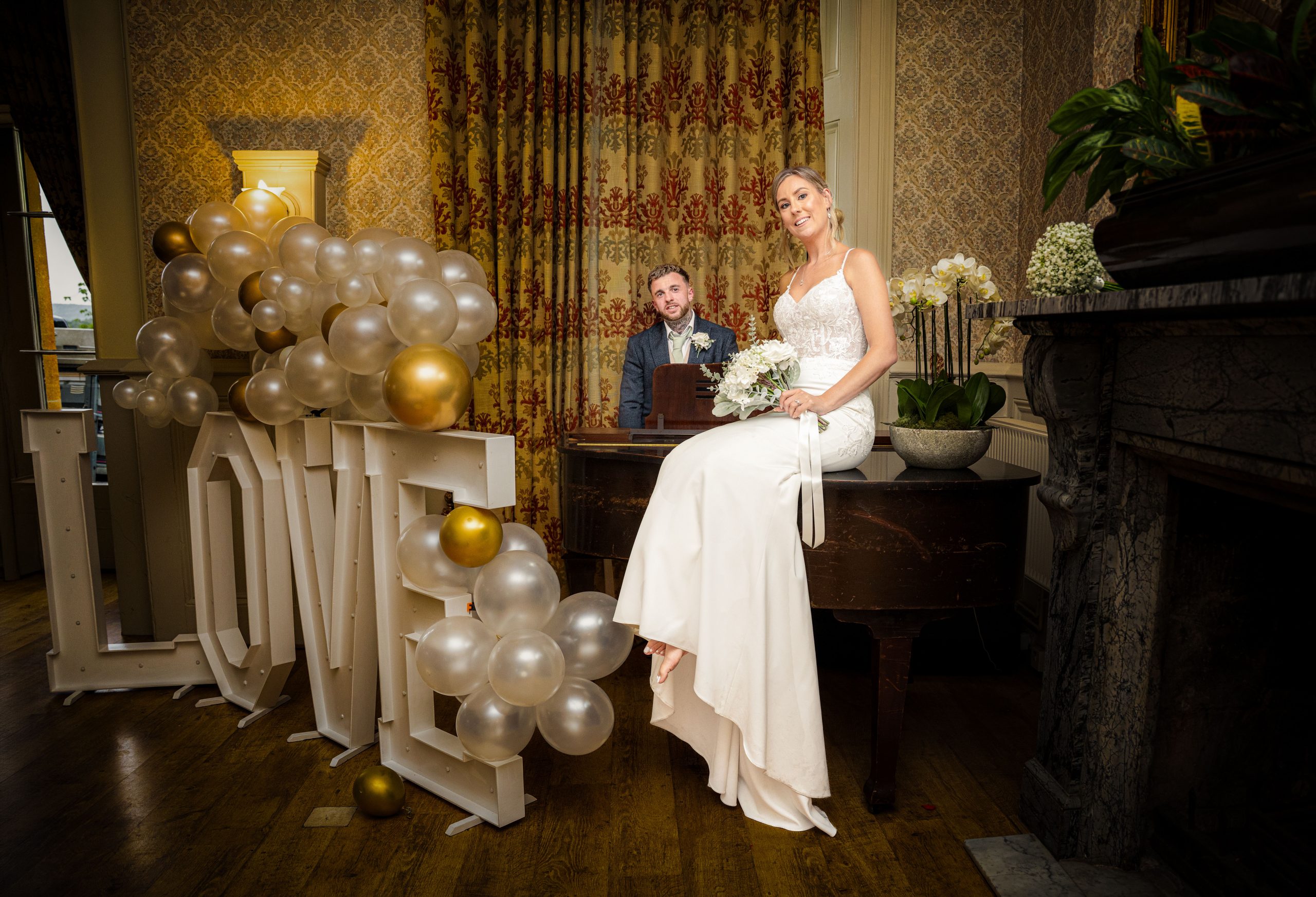
Ian’s experience working across portraiture, families, creative photography, models and professional headshots allows portrait tuition to cover both the technical and human sides of photography.
You can learn why certain lighting angles work, how lens choice changes facial appearance and how relatively small adjustments to positioning can improve a portrait.
Learning Flash Photography
Flash is one of the areas many photographers avoid.
They may have bought a speedlight, used it once, disliked the result and placed it back in the camera bag.
That is understandable.
Direct flash can look harsh.
But flash becomes an extremely powerful creative tool once you understand how to control it.
One-to-one flash photography tuition can cover areas such as:
- Using flash in manual mode
- Flash power
- Bouncing flash
- Directional lighting
- Off-camera flash
- Light modifiers
- Balancing flash with ambient light
- Using flash outdoors
- Creating dramatic portraits
- Understanding light fall-off
Instead of treating flash as emergency lighting for dark rooms, you begin using it deliberately.
Why Off-Camera Flash Can Transform a Photograph
Moving the light away from the camera can dramatically change an image.
When flash sits directly above the lens, the light generally travels straight towards the subject.
Move that light to the side and suddenly you can create:
- Shape
- Texture
- Shadow
- Separation
- Drama
This is why professional portraits can look very different from casual snapshots.
The camera may not be the biggest difference.
The lighting often is.
Learning off-camera flash with practical guidance is considerably easier than trying to interpret diagrams while simultaneously configuring triggers, flash units and camera settings.
Outdoor Photography Lessons
Not everybody wants to work in a studio.
Somerset and North Somerset provide enormous opportunities for photographers interested in outdoor photography.
Depending upon your interests, practical tuition can cover:
- Landscape photography
- Coastal photography
- Portraits outdoors
- Natural light
- Golden hour
- Composition
- Moving subjects
- Wildlife
- Long exposures
- Weather conditions
- Using filters
- Understanding changing light
Outdoor photography also teaches adaptability.
Unlike a studio, you cannot control the sun, clouds or weather.
You learn to respond to what is actually happening.
Learning Composition
Camera settings are important.
But technically perfect settings will not automatically create an interesting photograph.
Composition is the process of deciding what appears within the frame and how the elements relate to one another.
Topics may include:
- Rule of thirds
- Leading lines
- Framing
- Negative space
- Foreground interest
- Symmetry
- Balance
- Subject placement
- Background control
- Perspective
Composition becomes particularly useful because it applies regardless of which camera you own.
Once you learn to recognise stronger compositions, you can apply the same principles to landscapes, portraits, architecture, wildlife and almost every other area of photography.
Editing and Photography Workflow
Taking the photograph is only part of modern digital photography.
Understanding what happens afterwards can make an enormous difference to the finished result.
A photography workflow might include:
- Importing images
- Organising files
- Selecting the strongest photographs
- Backing up images
- RAW processing
- Exposure correction
- White balance
- Cropping
- Colour adjustment
- Sharpening
- Noise reduction
- Exporting for print or web
Good editing should support the photograph rather than rescue poor camera technique.
The better the original image, the stronger the final result generally becomes.
RAW Versus JPEG
This is one of the questions beginners frequently ask.
A JPEG photograph has already been heavily processed inside the camera.
A RAW file retains considerably more of the original photographic information.
That gives photographers much greater control during editing.
RAW files can provide more flexibility when adjusting:
- Exposure
- Highlights
- Shadows
- Colour
- White balance
- Contrast
But they also require processing.
Whether you should use RAW, JPEG or both depends upon what you want from your photography.
One-to-one tuition allows that decision to be explained in context rather than presenting one format as universally correct.
Learning Editing Without Overprocessing
Modern editing software is extremely powerful.
That creates another common beginner problem.
It is easy to keep moving sliders until a photograph stops looking natural.
Editing tuition can therefore concentrate not only on what each adjustment does but on when to stop.
Sometimes the strongest edit is subtle.
The goal is generally to strengthen the photograph rather than advertise the editing software.
Photography Lessons Tailored to What You Want to Learn
One of the major benefits of one-to-one photography training is that the session does not have to cover everything.
Perhaps you understand exposure but struggle with flash.
Then concentrate on flash.
Maybe you have a new camera and cannot configure the autofocus system.
Work on autofocus.
Perhaps you’re taking reasonable photographs but don’t understand why they sometimes appear soft.
Investigate shutter speed, focus and camera handling.
You may want to improve portraits.
Or landscapes.
Or night photography.
Or understand editing.
Your lesson can be shaped around those objectives.
Who Is One-to-One Photography Training Suitable For?
Personal photography tuition can suit a surprisingly broad range of photographers.
Complete Beginners
Perhaps you have just bought your first serious camera and don’t know where to begin.
One-to-one tuition can establish strong foundations without overwhelming you.
Enthusiastic Hobby Photographers
You may already understand some camera settings but feel your photography has stopped improving.
Personal tuition can identify weaknesses and provide new areas to explore.
People With a New Camera
Upgrading from one camera system to another can create a completely new learning curve.
A dedicated session can help configure the camera and explain unfamiliar controls.
Portrait Photographers
If you want to improve lighting, posing or flash photography, targeted tuition can concentrate specifically on portrait work.
Small Business Owners
Business owners increasingly need to produce photographs for websites and social media.
Understanding basic photography can significantly improve product, team and workplace imagery.
Content Creators
Better understanding of lighting, exposure and composition can also improve photographs and video content created for digital platforms.
Photographers Returning After a Break
Camera technology changes quickly.
If you previously enjoyed photography but haven’t used a modern digital camera for several years, one-to-one training can help rebuild confidence.
Camera Lessons for Photographers From Bristol and Somerset
Ian Phillips Photography is based in Weston-super-Mare, North Somerset, making tuition accessible to photographers from across the surrounding region.
This includes people searching for:
Photography tuition Somerset
Photography lessons Weston-super-Mare
Camera lessons Bristol
Photography tutor North Somerset
One-to-one photography training
The important point is that tuition remains personal.
You are not expected to fit into a standard course.
The course fits around you.
Why Learning With an Experienced Photographer Helps
Photography contains an enormous amount of information.
The internet has made almost all of it available.
That creates a different problem.
Too much information.
One tutorial tells you never to use Auto ISO.
Another tells you to use it constantly.
One photographer insists Manual mode is essential.
Another works professionally in Aperture Priority.
Beginners can easily become confused because advice is frequently provided without context.
An experienced photography tutor can explain:
When does this technique apply?
Why would I use it?
What problem does it solve?
That context is often what turns technical information into something useful.
Learn by Taking Photographs
Photography is practical.
You can read about aperture for hours, but changing the aperture and seeing the result immediately is often far more effective.
The same applies to lighting.
Move the light.
Take another photograph.
Compare the difference.
Change the shutter speed.
Photograph movement.
Look at what happened.
Practical experimentation creates visual evidence.
That helps technical concepts become memorable.
You Don’t Need to Become a Professional Photographer
Not everybody taking photography lessons wants to turn photography into a career.
You may simply want to:
- Take better family photographs
- Photograph holidays properly
- Use an expensive camera more confidently
- Improve wildlife images
- Create better portraits
- Understand landscapes
- Photograph grandchildren
- Capture sports
- Learn astrophotography
- Enjoy photography more
Those are perfectly good reasons to learn.
Photography should not become an examination.
Understanding the camera generally makes the hobby more enjoyable because you spend less time fighting the equipment and more time creating photographs.
From Auto Mode to Creative Control
One of the most satisfying moments for a developing photographer is taking a photograph deliberately.
Instead of the camera accidentally producing the result, you know:
Why the background is blurred.
Why the movement is frozen.
Why the exposure looks right.
Why the face is properly lit.
Why the photograph works.
That is creative control.
And that is ultimately what good photography tuition should provide.
Learn Photography Your Way With Ian Phillips Photography
If you’re looking for photography tuition in Somerset, photography lessons in Weston-super-Mare or one-to-one camera training near Bristol, Ian Phillips Photography offers personalised tuition designed around your experience and objectives.
Training can include:
- Camera controls
- Manual photography
- Aperture
- Shutter speed
- ISO
- Autofocus
- Exposure
- Composition
- Understanding light
- Portrait photography
- Flash photography
- Off-camera flash
- Outdoor photography
- RAW photography
- Editing
- Photography workflow
- Creative photography techniques
Most importantly, you can concentrate on the subjects that matter to you.
No generic syllabus.
No pressure to keep pace with a group.
No pretending you understand something when you don’t.
Your camera. Your questions. Your pace.
Ian Phillips Photography
One-to-One Photography Tuition – Weston-super-Mare, North Somerset
Photography Lessons • Camera Training • Portrait Tuition • Flash Photography • Outdoor Photography • Editing & Workflow • Creative Photography
Telephone: 07568 460157
Email: ianphillipsphoto@gmail.com
Based in Weston-super-Mare, North Somerset, providing personalised photography tuition for photographers from Somerset, Bristol and surrounding areas.
Frequently Asked Questions About Photography Tuition
Do I need photography experience before booking a lesson?
No. One-to-one tuition can be adapted for complete beginners as well as photographers with more experience. The lesson can begin with basic camera controls or concentrate on more advanced areas depending upon your ability.
Can I learn using my own camera?
Yes. Learning with your own camera is one of the main benefits of personalised photography tuition because you can practise the controls and settings you will continue using afterwards.
Do you teach manual camera settings?
Yes. Tuition can cover aperture, shutter speed, ISO, exposure and Manual mode, as well as when semi-automatic camera modes may be more practical.
Can I learn portrait and flash photography?
Yes. One-to-one training can include portrait lighting, posing, natural light, flash photography, off-camera flash and balancing artificial light with existing ambient light.
Where are photography lessons available?
Ian Phillips Photography is based in Weston-super-Mare, North Somerset and provides one-to-one photography tuition suitable for photographers from Somerset, Bristol and surrounding areas.